

Almost every client I work with says the same thing within the first ten minutes of our consultation: “I have so many clothes… but I have nothing to wear.” Their closets are full (sometimes overflowing) yet getting dressed still feels frustrating, time-consuming, and oddly discouraging. There are a variety of reasons this might be the case. Perhaps you’ve gone through life changes and your wardrobe no longer matches your lifestyle. Maybe your clothing doesn’t fit like it used to. Or perhaps your style has evolved and your clothing simply doesn’t represent who you are anymore. If you resonate with this issue, you may find yourself, like many of my clients, just adding more clothing into your closet in hopes that something new will fix the problem. But I want to emphasize something important: this is likely not a clothing quantity problem; it’s a wardrobe strategy problem. So let’s talk about how we move from thinking of a closet as a storage system to building a wardrobe that is intentional, strategic, and aligned with your life.
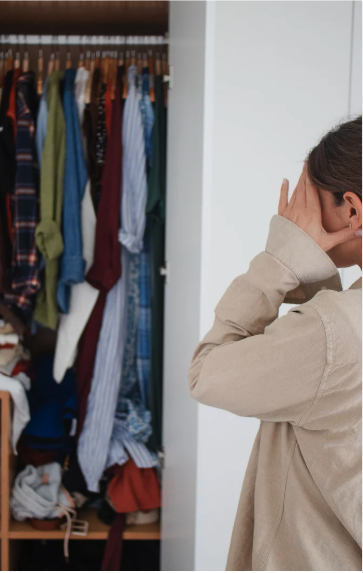
HOW DID YOU GET HERE?
If you’re like most people, you got here because you tend to shop reactively—usually when an event is approaching. For example, you have a baby shower in two weeks and realize you don’t have anything to wear, so you buy a new pastel dress for that event and never wear it again. Urgency rarely creates the right circumstances to shop thoughtfully. In fact, urgency almost guarantees that you’ll make a decision based on immediate need rather than long-term integration. It’s worth repeating: urgency doesn’t create the right circumstance to shop thoughtfully.
You may also have gotten here because your relationship with shopping has changed. Perhaps your shift from working in an office to starting a family or working remotely has moved your focus away from style and onto comfort. To that I say: you don’t have to sacrifice comfort to be stylish. The two are not mutually exclusive.
But perhaps the hardest reason to articulate is a style shift. Your current clothing simply doesn’t align with who you are becoming. You want to take more fashion risks, but everything in your closet feels corporate and uninspired. OR you’re ready to appear more sophisticated and elevated, yet your wardrobe is still comprised of tight neon pieces from your Forever 21 era.
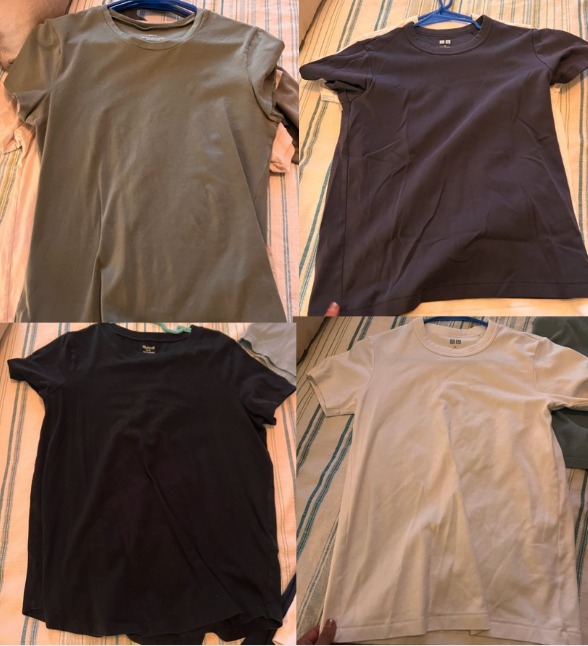
Another big issue I notice with clients is imbalance. Many people over-index on one category of clothing and miss the importance of balance. You may only have statement pieces—bedazzled, printed, bold items that don’t easily mix and match—or you may only have neutrals: oatmeal sweaters, jeans, and black shoes. If it’s the former, you’re missing the grounding staples that allow statement pieces to shine. If it’s the latter, you’re missing the moments of interest that make an outfit feel intentional.
And finally, you may have lost your creative spark. You no longer see styling potential in your wardrobe. You only see one top working with one specific pair of jeans, and you’ve already worn that combination to death. While each of these reasons may require slightly different solutions, the outcome is the same: a closet full of clothes with “nothing to wear.”
HOW DO I START TO BUILD A WARDROBE STRATEGICALLY?
While this problem can feel overwhelming, there are clear and practical steps you can take to build a better wardrobe. Think of it as being your own personal stylist.
Step 1: Edit with intention
Step 2: Dedicate time to experiment with outfit building
Step 3: Identify gaps and build a shopping list
Step 4: Insert new pieces strategically
Step 5: Start wearing outfits that integrate the new with the old and feel refreshed
Let’s elaborate on each of these steps.
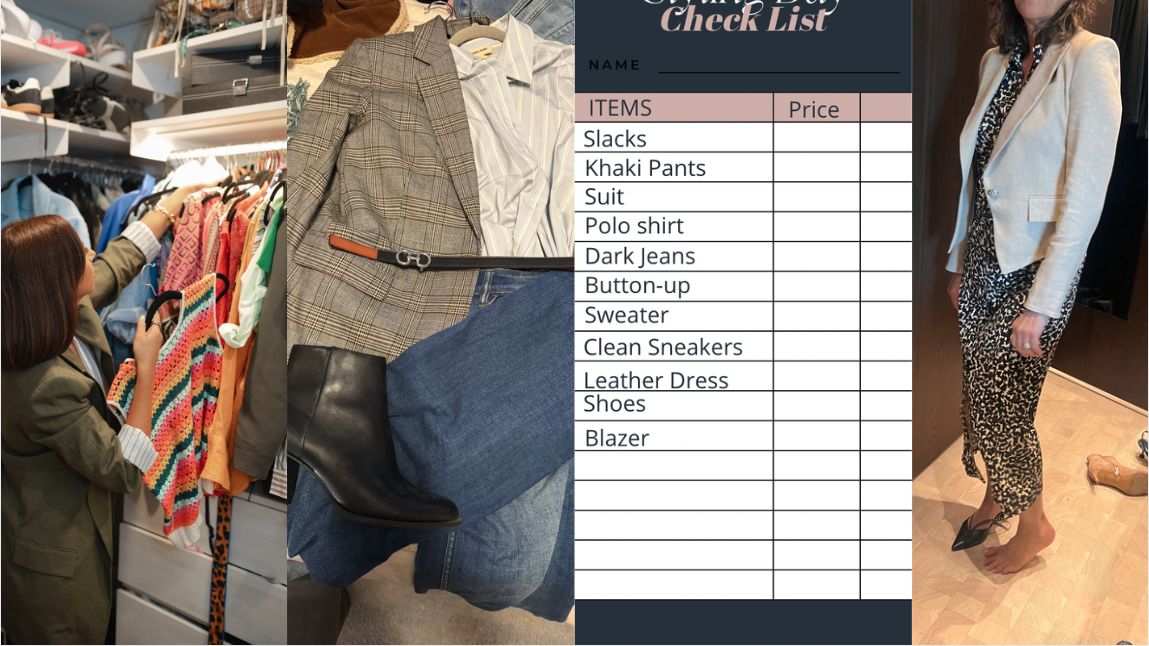
EDIT WITH INTENTION
Just as I do with my clients, you’ll want to start with a closet edit where you evaluate your tops, bottoms, knits, dresses, shoes, and outerwear. Be discerning, but don’t leave yourself without anything to wear.
Create three piles: items to try on for fit evaluation, items to donate, and items to take to tailoring. If you’re struggling to decide where something belongs, ask yourself whether you’ve worn it in the last year and whether you will realistically wear it in the next year. Fit is a major indicator of whether something should stay. If you love it but recognize it doesn’t fit quite right, take it to a tailor. If you dislike it because it doesn’t fit at all, donate it. And for the pieces you haven’t revisited in a while, give yourself the time to try them on again and see them with fresh eyes.
OUTFIT BUILDING
The next step is to dedicate an hour or two to outfit building. This will help address the fact that you may have lost creativity with your wardrobe, and it will give you space to practice and experiment. At my “Mix & Match” appointments, clients are often amazed by how many new outfits we create from pieces they already own. While this is my profession, outfit building is a skill that can absolutely be honed.
Sometimes it takes experimentation and stepping outside your comfort zone to see things differently. Try pulling out a skirt you haven’t worn in a year and testing it with every possible top or sweater you own. There may be trial and error, but eventually you will land on combinations you love. And if you don’t, that is a clear indicator that something needs to be added to your shopping list.
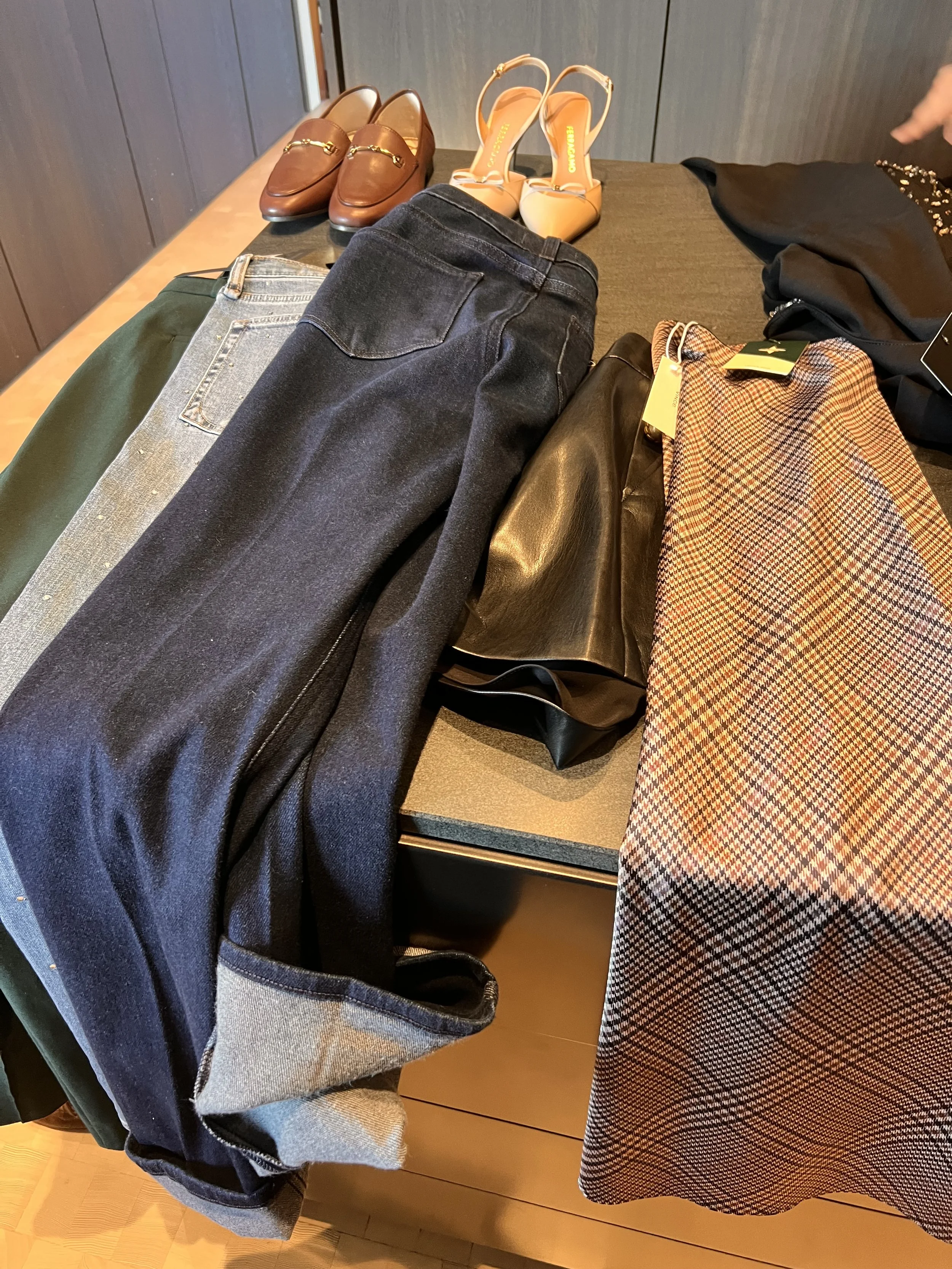
If you think you’ve never done an outfit-building session, I would argue that you have. Think about your most recent weekend event and the experience of pulling apart your closet trying to put a look together. The difference is that in that situation you were rushed, stressed, and operating from urgency. Again, urgency doesn’t create the right circumstances to outfit build thoughtfully.
Instead of waiting until your next event, build this into your schedule. Create a variety of outfits and document them so that when something comes up, you can flip through your own “lookbook” rather than starting from scratch. Bonus points if you build outfits with specific lifestyle activities in mind. If you go to the country club every month, practice outfit building for that setting. If you attend work events regularly, build for that context.
BUILD A SHOPPING LIST
Now that you’ve edited and experimented with outfit building, you can build a shopping list and shop with clarity instead of emotion. Ideally, you begin drafting this list during your closet edit and outfit-building process.
Your list might include items you let go of but want to replace, such as a cashmere sweater with a hole, white tees with stained underarms, or a jean jacket that feels dated. It may include things you’ve needed for a long time but haven’t prioritized, like belts, a lightweight layer, or an updated blazer. It could also include pieces that will help you outfit build more effectively, such as solid tops or different silhouettes of pants beyond denim. And if you’re feeling unsure about what’s missing, you can reference some of my other blogs where I outline layering essentials.
The list doesn’t need to be extensive, and you can always add to it. Perhaps you come across inspiration or want to try a specific trend. The point is not restriction; it’s intention. The list keeps you focused and helps you build strategically. Shopping without a list is often how you end up right back where you started.
START SHOPPING
This is where disciplined shopping becomes transformational. Now you can shop with a clear understanding of what you need, what you’re drawn to, and what your end goal is. That end goal is a closet filled with pieces that represent you and integrate seamlessly into outfits that represent you.
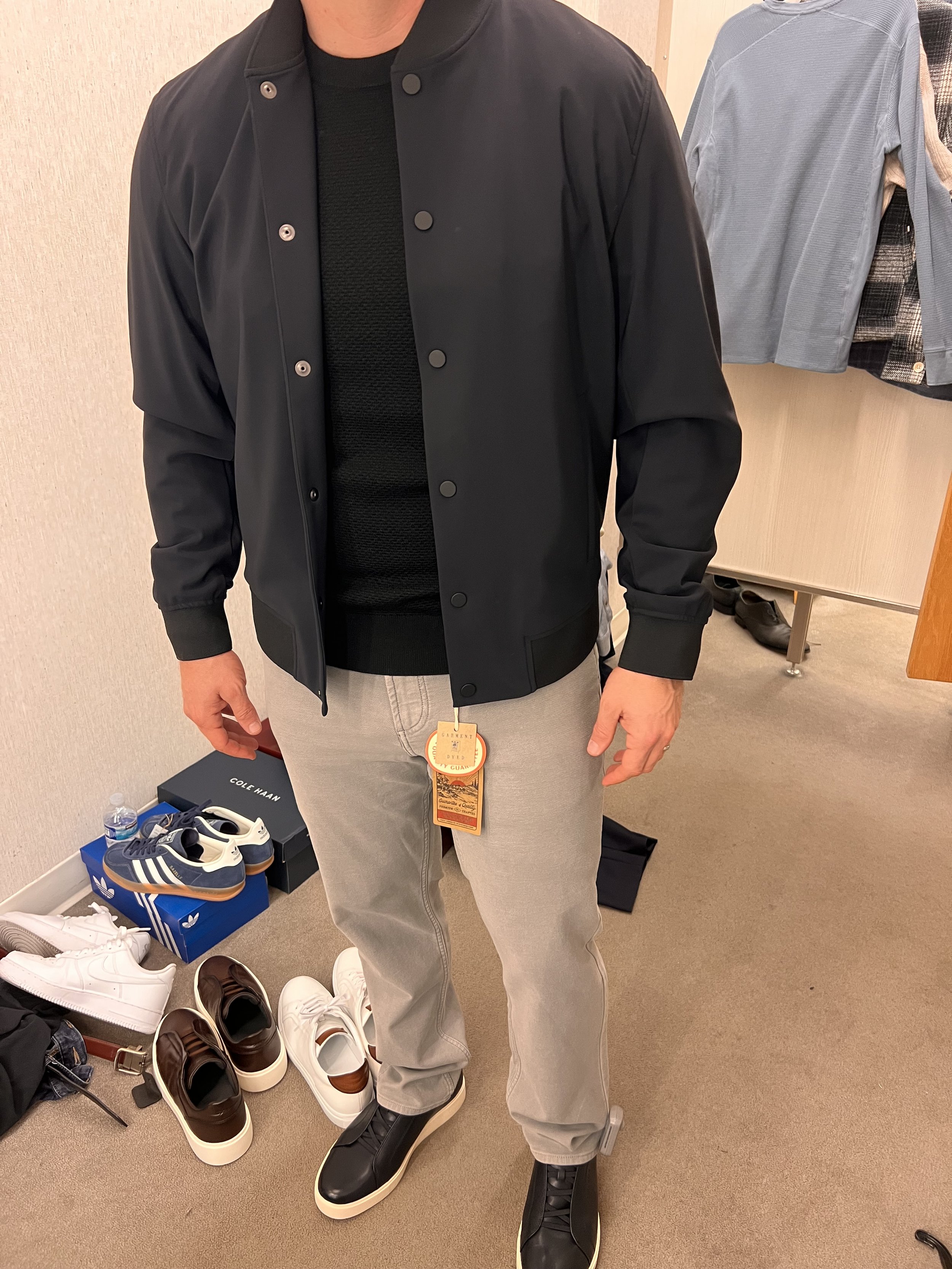
Instead of random purchases, every piece you insert should serve a purpose. The key is integration, not excitement. If it doesn’t work with what you already own—or what you intentionally plan to own—then it likely isn’t the right purchase, no matter how cute it is. We are no longer buying the pastel dress solely for the baby shower.
That’s not to say you can never shop for an occasion; sometimes that’s necessary. But ideally, your wardrobe will have enough variety and enough pieces you truly love that you can create an outfit for that baby shower using what you already have. And if you do buy something specific for an event, make sure you intentionally style it in multiple ways beyond that single occasion.
WEAR NEW OUTFITS
This might feel implied, but it’s not. I have many clients who add beautiful new pieces from their shopping list, build thoughtful outfits, and then still hesitate to wear them. Getting comfortable wearing new outfits is where the real transformation happens. Sometimes there is an emotional block that prevents us from fully representing ourselves.
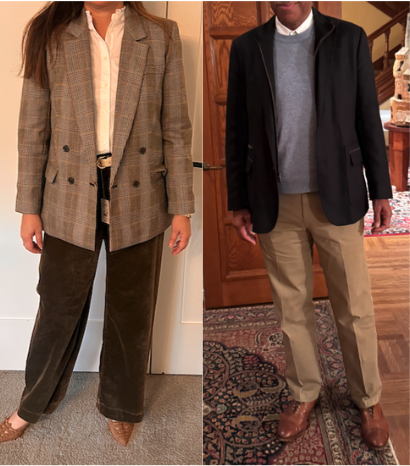
Perhaps we feel self-conscious about standing out or looking different from how we’re used to looking.
That is precisely why wearing these new outfits is so important. Without actually taking them for a spin, you remain in the cycle of a wardrobe that feels uninspired. When you begin wearing your new combinations and receive compliments, it creates a positive feedback loop that encourages you to take more thoughtful risks. When your clothing fits, reflects your lifestyle, and expresses who you are becoming, confidence stops feeling forced and starts feeling natural.
IN CONCLUSION
This process is exactly what I help my clients do every day. Together, we edit, rebuild, and strategically shop so that getting dressed becomes effortless again. I’ve outlined the detailed steps here so you can begin this work on your own, but if you want guidance, support, or a more tailored experience, that’s what I’m here for (and if you want a lower touch, check out our Style Guides).
When you shift from reactive shopping to strategic wardrobe building, everything changes. The goal was never a bigger closet; it was always a more aligned one. No one should have a closet full of clothes and still feel like they have nothing to wear. If you still feel this way, take these steps—or reach out—and start building a wardrobe that truly works for you.